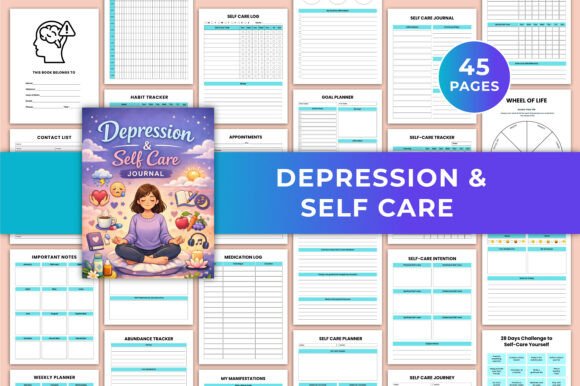
The Complete Guide to Using a Depression Self Care Journal for Mental Wellness and Healing
In today's fast-paced and often overwhelming world, mental health has become a central concern for millions of people. Whether you are navigating the challenges of depression, anxiety, or simply seeking to build healthier emotional habits, the tools you use to support your journey matter deeply. One of the most effective and accessible resources gaining widespread recognition is the Depression Self Care Journal. More than just a notebook, this journal is a structured companion designed to help you track moods, build routines, and foster emotional healing. This guide will walk you through everything you need to know about using a self care journal, its core features, and how it can fit seamlessly into your daily life to support lasting mental wellness.
What Is a Depression Self Care Journal and Why Does It Matter?
A Depression Self Care Journal is a guided, often printable or digital, planner specifically created to support individuals dealing with depression, anxiety, or general emotional distress. Unlike a standard diary, this journal incorporates evidence-based tools such as mood trackers, habit logs, sleep monitors, gratitude prompts, and cognitive reframing exercises. Its purpose is to provide a structured yet flexible framework that empowers you to take an active role in your mental health.
The significance of such a journal lies in its ability to bridge the gap between professional therapy and everyday self-management. While therapy offers essential guidance, a self care journal provides a daily practice that reinforces those lessons. It helps you identify patterns, celebrate small wins, and gently redirect negative thought cycles. In a modern context where mental health resources are often stretched thin, a self care journal becomes a personal, always-available tool for healing and growth.
Key Components of an Effective Self Care Journal
Not all journals are created equal. A well-designed Depression Self Care Journal includes a variety of sections that address different aspects of mental wellness. Below are the most impactful features you should look for or incorporate into your own practice.
Daily Mood and Habit Tracking
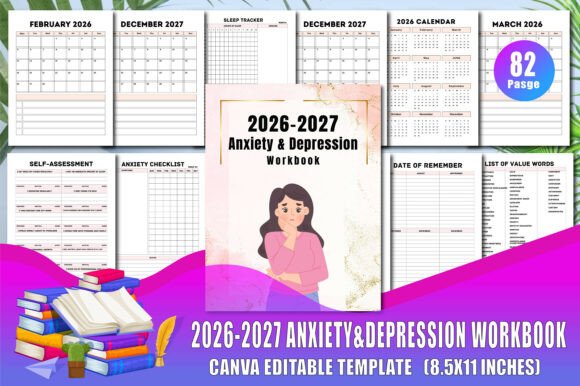
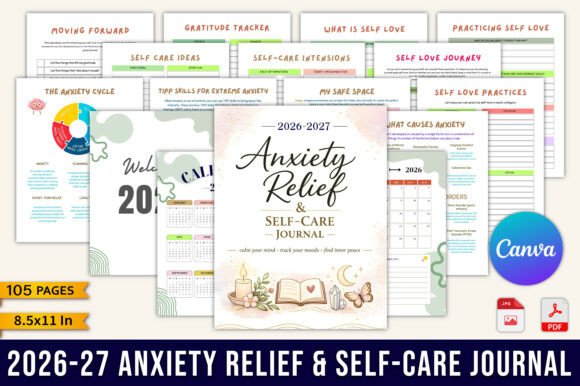
At the heart of any self care journal is the daily planner page. This section typically includes a mood tracker (often a simple scale or color-coded chart), space for priorities, a schedule, and affirmations. By recording your mood each day, you begin to notice triggers and patterns. For example, you might observe that your mood tends to dip on days when you skip breakfast or after certain social interactions. Over time, this awareness becomes a powerful tool for prevention and self-compassion. Pairing this with a habit tracker helps you build consistency in small, positive actions like drinking water, taking a short walk, or practicing deep breathing.
Sleep and Medication Management
Sleep disruption is one of the most common symptoms of depression. A dedicated sleep tracker allows you to log bedtime, wake time, and sleep quality. When reviewed alongside mood data, you can see the direct link between rest and emotional stability. Similarly, a medication tracker and appointment log ensure that you never miss a dose or a therapy session. This is especially valuable for those managing prescriptions as part of their treatment plan. Consistency in medication and sleep hygiene is often the foundation upon which other self care practices are built.
Gratitude, Affirmations, and Reframing Negative Thoughts
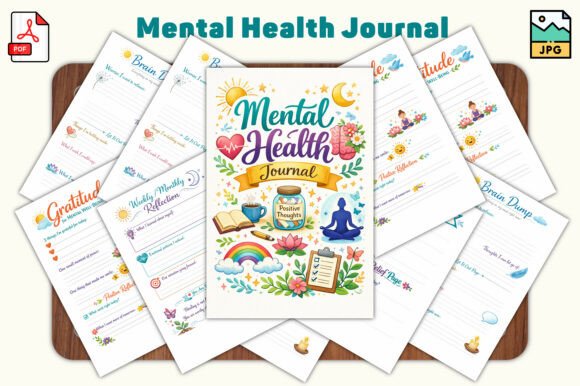
Depression often narrows our focus to what is wrong or painful. A gratitude journal section gently shifts attention toward positive experiences, no matter how small. Writing down three things you are grateful for each day can rewire the brain over time to notice goodness more readily. Positive affirmations serve a similar purpose, offering kind, empowering statements that counterbalance the harsh inner critic. More advanced pages, such as Reframe Negative Thoughts Worksheets, guide you through a structured process of identifying a negative thought, questioning its validity, and replacing it with a more balanced perspective. This is a core skill in cognitive-behavioral therapy and can be practiced independently with the journal's prompts.
How a Self Care Journal Supports Therapy and Counseling
One common misunderstanding is that a self care journal is meant to replace professional therapy. This is not the case. Instead, the journal acts as a complementary tool that enhances the work done in counseling sessions. Many therapists recommend journaling as a way to track symptoms, prepare for sessions, and reinforce coping strategies taught in therapy. For example, you might use the Wheel of Life Assessment to identify which areas of your life feel unbalanced, then bring that insight to your next appointment. Similarly, the Goal Planner with action steps helps you break down larger therapeutic goals into manageable daily tasks.
For those on a waiting list for therapy or unable to access regular sessions, a self care journal provides a structured way to begin the healing process independently. It offers a sense of agency and progress, which can be profoundly empowering when you feel stuck.
Practical Tips for Getting the Most Out of Your Journal
To truly benefit from a Depression Self Care Journal, it helps to approach it with intention and flexibility. Here are some practical suggestions:
- Start small. Do not feel pressured to fill every page on day one. Begin with the mood tracker and one habit you want to build, such as drinking a glass of water each morning. Gradually add more sections as you become comfortable.
- Consistency over perfection. Missing a day or a week is normal. The journal is a tool for self-compassion, not judgment. Pick it back up when you are ready, without guilt.
- Customize it for your needs. Many journals, especially those offered as Canva templates, allow you to edit fonts, colors, and layout. If a particular page does not resonate with you, modify it or skip it. The goal is to create a resource that feels personal and supportive.
- Use it as a conversation starter. Bring your journal to therapy or share insights with a trusted friend or family member. The data and reflections you capture can help others understand what you are experiencing.
- Pair it with other wellness activities. The journal works best when combined with regular exercise, healthy eating, social connection, and professional support when needed. It is one piece of a larger self care puzzle.
Common Misunderstandings About Self Care Journaling
Despite its growing popularity, there are still misconceptions about self care journaling that can prevent people from trying it. Let's clarify a few:
- Misunderstanding: Journaling is only for people who are good at writing. Clarification: A self care journal uses checkboxes, scales, and simple prompts. You do not need to write paragraphs. A single word or a color can be enough.
- Misunderstanding: It will make me dwell on negative feelings. Clarification: While you may log difficult emotions, the structure of the journal is designed to help you process and move through them, not wallow. Gratitude, reframing, and goal-setting pages provide a forward-looking balance.
- Misunderstanding: It is only for people with a diagnosed mental illness. Clarification: Anyone can benefit from a self care journal. It is equally useful for managing stress, improving sleep, building self-awareness, or navigating life transitions.
- Misunderstanding: You have to do it every day for it to work. Clarification: Even occasional use can provide insights and relief. The key is to use it in a way that feels supportive, not burdensome.
How This Journal Fits Into Modern Life and Daily Routines
One of the greatest advantages of a Depression Self Care Journal is its adaptability to modern lifestyles. Whether you prefer a printable PDF that you can take anywhere or a digital version you edit on your device, the journal fits into your routine on your terms. You can use it during a morning coffee, as part of a bedtime wind-down, or during a break at work. The Activities Tracker and Self-Care Challenge Pages encourage you to try new things, such as a short mindfulness exercise or a creative hobby, which can break the monotony of daily stress.
For those who enjoy planning and goal setting, the journal includes Manifestation, Vision Board, and Bucket List Pages. These sections allow you to dream and plan for the future, countering the hopelessness that often accompanies depression. The Weekly and Monthly Self-Care Planning Pages help you schedule rest, social activities, and personal time, ensuring that self care is not left to chance. In a world that constantly demands more from us, having a dedicated space to prioritize your well-being is not just helpful—it is essential.
Conclusion: Your Journey Toward Emotional Healing Starts Here
Taking control of your mental wellness is a brave and ongoing journey. A Depression Self Care Journal is not a magic cure, but it is a powerful companion that can help you navigate the ups and downs with greater awareness, intention, and compassion. By incorporating mood tracking, habit building, gratitude, and cognitive reframing into your daily routine, you create a personalized system for healing that grows with you. Whether you are in therapy, on a waiting list, or simply looking to improve your emotional health, this journal offers a practical and supportive path forward. Remember, every small step counts, and each page you fill is a testament to your commitment to yourself.