The Complete Guide to Using a Physical Therapy Workbook for Optimal Recovery
Recovering from an injury, surgery, or managing a chronic pain condition can feel overwhelming. There are appointments to keep, exercises to remember, pain levels to monitor, and progress to track. Without a clear system, it is easy to lose motivation, forget key details, or feel uncertain about whether you are actually improving. That is exactly where a Physical Therapy Workbook becomes an indispensable tool. This comprehensive guide will walk you through everything you need to know about using a Physical Therapy Workbook to bring structure, clarity, and motivation to your recovery journey.
Whether you are attending your first physical therapy session or you are weeks into a rehabilitation program, a workbook helps you organize the information that matters most. It is not a replacement for professional treatment — it is your personal companion that keeps you accountable, informed, and engaged between appointments.
What Is a Physical Therapy Workbook and Why Does It Matter?
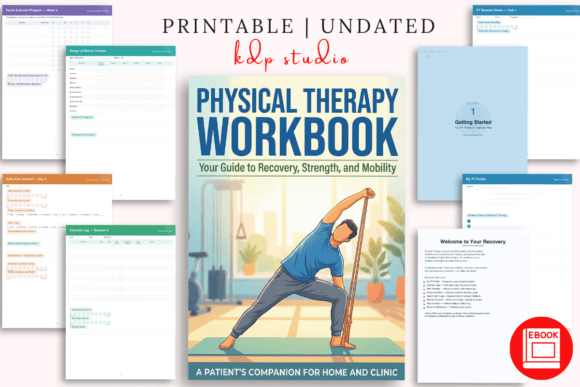
A Physical Therapy Workbook is a structured journal designed to help patients track every aspect of their recovery. It includes sections for logging exercises, recording pain levels, monitoring range of motion, documenting therapist feedback, and setting goals. Think of it as your recovery command center. Instead of relying on memory or scattered notes, you have everything in one place — from your initial diagnosis to your long-term maintenance plan.
Why does this matter? Recovery is rarely a straight line. Some days you feel stronger; other days you wonder if you have regressed. A workbook gives you objective data to look back on. When you see that your pain level dropped from a 7 to a 3 over four weeks, or that your knee flexion improved by 15 degrees, you gain confidence. That confidence fuels consistency, and consistency drives results.
In modern healthcare, patients are expected to take an active role in their own recovery. A Physical Therapy Workbook empowers you to do exactly that. It transforms you from a passive recipient of care into an engaged participant who understands their own body and progress.
Who Benefits from a Physical Therapy Workbook?
The short answer is: almost anyone undergoing physical therapy. But let us look at some specific scenarios where a workbook makes a meaningful difference.
- Post-surgical recovery: After procedures like knee replacement, rotator cuff repair, or spinal surgery, precise exercise adherence is critical. A workbook helps you follow your protocol exactly.
- Chronic pain management: Conditions like fibromyalgia, arthritis, or lower back pain require ongoing monitoring. Tracking pain triggers and relief strategies helps you identify patterns.
- Sports injury rehabilitation: Athletes need to rebuild strength and mobility methodically. A workbook ensures you progress safely without rushing back too soon.
- General strength and mobility goals: Even if you are not recovering from a specific injury, improving your physical function benefits from structured tracking.
No matter your starting point, a workbook gives you a framework that turns intention into action.
The Key Components of a Comprehensive Physical Therapy Workbook
A well-designed Physical Therapy Workbook is organized into sections that address different aspects of recovery. Let us explore each one in detail so you understand how to use them effectively.
Getting Started: Your Recovery Foundation
The first section of any good workbook is all about establishing your baseline. This is where you document your My PT Profile. You record your diagnosis, baseline pain level, and your initial goals. This might feel simple, but it is one of the most important steps you can take. When you write down where you are starting from, you create a reference point that will show you how far you have come.
You also establish a treatment plan overview in this section. How many sessions are you scheduled for? What are the main objectives? Having this written down helps you see the big picture. Appointment logs allow you to record what happened during each session, including therapist feedback and any modifications to your plan. Recovery reflection prompts give you space to think about how you are feeling emotionally and mentally — because healing is not just physical.
Exercise Tracking: The Heart of Your Workbook
This is where the workbook earns its keep. A typical workbook includes 20 detailed session logs or more, depending on the design. Each log captures the specific exercises you performed, including sets, reps, resistance, and hold times. But it goes deeper than that.
Before and after each session, you record your pain level. This simple act helps you see how exercise affects your symptoms. Some exercises might temporarily increase discomfort, while others provide relief. Over time, patterns emerge. You also have space to write therapist feedback so you never forget cues or corrections that were given during your appointment.
Consistency is the foundation of progress, and these logs make consistency visible. When you see a full week of completed sessions, you feel a sense of accomplishment that motivates you to keep going.
Pain Management and Body Mapping
Pain is a complex experience. It is not just a number on a scale. A good workbook includes pain body maps — front and back diagrams of the human body where you can shade or mark the areas that hurt. This visual representation helps you and your therapist identify exactly where pain is located and whether it shifts over time.
In addition, 10 daily pain journals allow you to track sleep quality, function level, pain triggers, and what provides relief. Sleep and pain are tightly connected. Poor sleep can amplify pain, and unmanaged pain can disrupt sleep. By tracking both, you gain insights that help you make adjustments to your daily routine.
Pain triggers might include certain movements, sitting too long, or even stress. When you identify these triggers, you can take proactive steps to avoid or manage them.
Range of Motion Progress Tracking
One of the most objective ways to measure improvement in physical therapy is through range of motion (ROM) measurements. Whether you are tracking flexion, extension, rotation, or other joint movements, having a dedicated section in your workbook is invaluable.
A good workbook includes trackers that capture your baseline measurement, then progress at Week 2, Week 4, and Week 8. Seeing these numbers change over time is incredibly motivating. Even small improvements — like an extra 5 degrees of knee flexion — represent real progress. These measurements also give your therapist concrete data to adjust your program.
Home Exercise Program Compliance
The work you do between appointments is just as important as what happens in the clinic. A Home Exercise Program (HEP) section helps you stay on track. Weekly home exercise checklists break down what you need to do each day. You can check off each session as you complete it, and note any pain you experienced during the exercises.
Daily compliance tracking turns your home program into a habit. When you see a full week of checkmarks, you feel proud of your commitment. And if you miss a day, you can reflect on why and adjust. This section also includes space to record questions or concerns to bring up at your next appointment.
How a Physical Therapy Workbook Bridges the Gap Between Sessions
One of the biggest challenges in physical therapy is maintaining momentum between appointments. You might feel great during a session with your therapist, but by the time you get home, the details blur. A workbook solves this problem by giving you a clear, written plan.
When you have a structured workbook, you always know exactly what exercises to do, how many reps, and what to watch for. You can record your pain levels and any concerns, then bring those notes to your next session. This creates a continuous feedback loop between you and your therapist. Instead of relying on memory, you have data. That data leads to better decisions about your care.
Workbooks also help you stay motivated during the long stretches between appointments. When you feel like you are not making progress, you can flip back through the pages and see how far you have come. That tangible evidence of improvement is powerful.
Common Misunderstandings About Physical Therapy Workbooks
Some people think a workbook is only for people who love writing everything down. Others believe it adds unnecessary complexity to an already busy schedule. Let us clear up a few common misunderstandings.
- It is not a replacement for professional care. A workbook supplements your treatment plan. Your therapist guides the process; the workbook helps you execute it.
- You do not need to be a writer or journal enthusiast. Most workbooks use checkboxes, scales, and short prompts. You can complete a session log in under two minutes.
- It is not only for complex cases. Even simple rehabilitation benefits from structure. A workbook helps you stay consistent, which is the foundation of any recovery.
- It is not rigid. You can adapt the workbook to your needs. Skip sections that do not apply, and focus on what matters most for your situation.
Practical Tips for Getting the Most Out of Your Workbook
To truly benefit from a Physical Therapy Workbook, consider these practical strategies:
- Fill out the baseline section immediately. Do not wait until after your first session. Record your starting point as soon as possible so you have an accurate reference.
- Use the pain scale consistently. Whether you use a 0–10 scale or a faces scale, use the same method every time. Consistency makes your data meaningful.
- Bring your workbook to every appointment. Your therapist can review your logs and give you feedback. This turns your workbook into a collaborative tool.
- Review your progress weekly. Set aside five minutes each week to look back at your logs. Celebrate small wins and identify areas that need more attention.
- Be honest with your entries. If you missed a day or had increased pain, write it down. Honest data leads to better adjustments in your treatment plan.
The Role of a Physical Therapy Workbook in Modern Healthcare
Healthcare is moving toward more patient-centered, data-driven models. Physical therapy is no exception. A Physical Therapy Workbook aligns perfectly with this shift. It empowers patients to take ownership of their recovery, provides therapists with valuable data, and improves communication between both parties.
In a world where digital health apps and wearables are common, the humble paper workbook still holds significant advantages. It is distraction-free, customizable, and does not require batteries or internet access. You can take it to the gym, use it at home, and share it with your therapist without worrying about privacy settings. For many people, the act of writing by hand also reinforces memory and commitment.
That said, digital versions of workbooks are also available for those who prefer typing or want to integrate with other health tools. The key is not the format — it is the structure and consistency that the workbook provides.
Conclusion
Recovery is a journey, and every journey is easier with a map. A Physical Therapy Workbook gives you that map. It helps you track exercises, monitor pain, measure mobility, and stay consistent. It turns the overwhelming process of rehabilitation into a manageable, structured path forward.
Whether you are recovering from surgery, managing chronic pain, rehabilitating after an injury, or rebuilding strength, a workbook is your organized companion from your first PT session to long-term maintenance. It supplements professional treatment and helps you stay accountable between appointments. Your recovery deserves structure, clarity, and motivation — and a Physical Therapy Workbook delivers all three.
Start using one today, and give yourself the gift of a recovery that is intentional, measurable, and successful.