Helping Young Learners Thrive: The Power of a Kids Progress Tracker Journal
Every parent, teacher, or caregiver knows the familiar challenge of keeping a child motivated across the many small tasks that make up a day. Between schoolwork, chores, practicing a musical instrument, and simply remembering to brush teeth without being reminded, there is a lot for a young mind to juggle. The traditional reward chart on the refrigerator works for a while, but it often lacks depth. It does not capture the nuance of how a child felt while learning, what they struggled with, or what made them proud. This is where a dedicated tracking tool makes a tangible difference. The Kids Progress Tracker Journal is more than a checklist; it is a structured yet flexible companion that turns daily routines into a story of personal growth.
For parents exploring the many options available today, the question is not simply whether to use a tracker, but what kind of tracker will actually engage a child without feeling like another chore. A blank notebook requires too much creativity from a child who may not know where to start. An overly complicated app demands screen time and parental setup. The Kids Progress Tracker Journal strikes a thoughtful balance by offering just enough structure to guide without stifling, and just enough freedom to encourage genuine self-expression. Let us explore what makes this journal a practical tool for modern families and classrooms, and why it holds value beyond simple task completion.
What Makes a Progress Journal Effective for Children
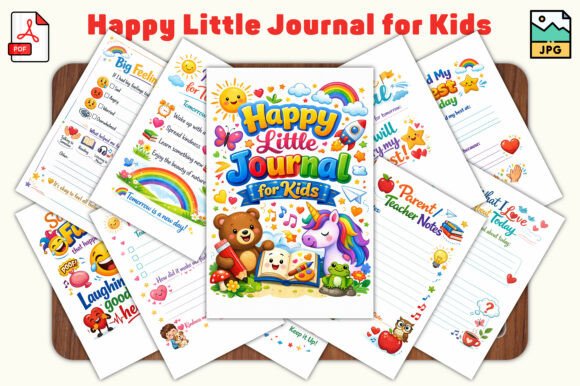
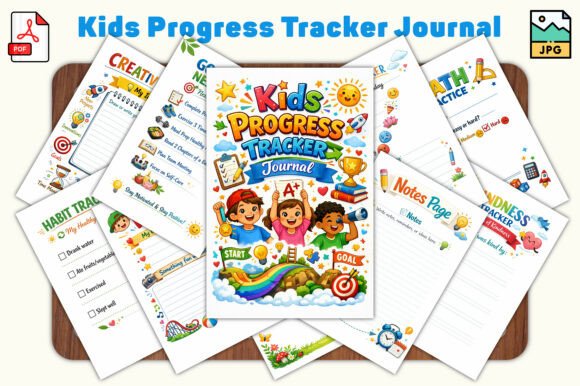
Children are naturally curious, but they are also easily distracted. A journal designed specifically for their developmental stage needs to be visually inviting, logically simple, and emotionally supportive. The Kids Progress Tracker Journal delivers on all three fronts. Its thirty pages are not overwhelming; they are precisely the right length to build a consistent habit without becoming repetitive. Each page serves a distinct purpose, from tracking daily learning activities to recording moods and expressing gratitude. This variety keeps the experience fresh and helps a child associate journaling with discovery rather than obligation.
One of the most important qualities of any child-focused tool is its ability to build self-awareness. When a child fills in a behavior checklist or reflects on their week, they are not just completing an assignment. They are learning to pause, observe their own actions, and recognize patterns. Over time, this practice cultivates a sense of responsibility that no external reward can replicate. The journal acts as a mirror, helping children see their own progress clearly. This is particularly valuable for children who struggle with self-esteem or who need extra encouragement to stay on task.
Tracking More Than Just Academics
Parents often focus heavily on reading, writing, and math logs, and rightfully so. Academic foundations matter. However, the Kids Progress Tracker Journal wisely extends beyond school subjects. It includes habit checklists, mood pages, and creative drawing spaces. This holistic approach acknowledges that a child's growth involves emotional regulation, social awareness, and creative thinking alongside academic achievement. When a child draws a picture of something that made them happy that day, they are practicing gratitude and emotional vocabulary. When they check off a positive behavior like sharing with a sibling, they reinforce social skills. These moments are just as important as completing a math worksheet, and the journal ensures they receive equal attention.
Another often-overlooked benefit is the way this journal supports executive function development. Planning, checking progress, and reflecting are high-level cognitive skills that children need time to develop. By providing a simple system for goal-setting and weekly review, the journal gently introduces these skills in a low-pressure context. A child who sets a small goal, such as reading for ten minutes each day, and then sees that goal tracked over a week, learns cause and effect in a deeply personal way. They begin to understand that their effort leads to visible results. This understanding is empowering and lays the groundwork for more complex planning later in life.
Practical Benefits for Parents, Teachers, and Homeschooling
Modern family life is busy. Between work schedules, extracurricular activities, and the constant buzz of digital notifications, finding time for intentional connection with a child can feel impossible. The Kids Progress Tracker Journal serves as a natural conversation starter. Instead of asking a vague "How was school?" and receiving a one-word answer, a parent can sit down with the journal and see exactly what the child worked on and how they felt about it. The weekly review page becomes a moment of shared reflection, not an interrogation. This turns tracking into a bonding activity rather than another item on the to-do list.
For homeschool educators, the journal is particularly useful as a lightweight assessment tool. Traditional record-keeping can become burdensome, especially for parents who are new to homeschooling and worried about meeting educational standards. The journal provides a clear, honest snapshot of what a child has practiced without requiring elaborate lesson plans or formal testing. It can be used alongside any curriculum, making it a flexible addition to any homeschool routine. The creative writing and free drawing spaces also offer a window into a child's interests and struggles, helping parents tailor future lessons to what truly engages their learner.
Classroom teachers, too, can integrate this journal into their daily routines. It works well as a morning warm-up activity or as a quiet end-of-day reflection. The behavior and habit checklists give teachers a non-confrontational way to discuss classroom expectations. When a student marks their own behavior, it opens a dialogue about self-regulation. Over time, this can reduce the need for external discipline because the child becomes more aware of their own choices. The journal also provides excellent documentation for parent-teacher conferences, offering concrete examples of a child's progress beyond test scores.
Building Consistency Without Pressure
One concern parents often raise is that their child will lose interest after a few days. This is a valid worry, but the Kids Progress Tracker Journal is designed with longevity in mind. The variety of page types prevents monotony. Some days a child may want to write; other days they may prefer to draw. The mood and gratitude pages allow for emotional expression, which changes daily and keeps the journal feeling relevant to the child's actual experience. The goal-setting pages provide a sense of direction, while the celebration of achievements reinforces the joy of completion. This balanced design helps children stay engaged without feeling pressured to perform perfectly every day.
It is also worth noting that the journal does not rely on external rewards like stickers or prizes. While those can be fun supplementary items, the journal itself builds intrinsic motivation. A child who reflects on their week and sees how much they have accomplished feels a genuine sense of pride. That feeling is far more sustainable than any external incentive. For parents who want to encourage long-term habits rather than short-term compliance, this is a significant advantage.
Practical Considerations Before Choosing a Journal
When selecting a progress tracker for a child, it helps to consider the child's age, temperament, and current habits. The Kids Progress Tracker Journal is best suited for children who are already comfortable with basic writing or drawing, typically around ages five to ten. Younger children may need more parental assistance, while older children can use it independently. If a child is particularly resistant to structured activities, starting with just one or two pages per week and gradually increasing usage can prevent overwhelm. The journal is a tool, not a test, and it should feel like a supportive friend rather than a taskmaster.
Another consideration is integration into existing routines. Some families prefer to use the journal at the same time each day, such as after dinner or right before bed. Others find it works better as a weekend reflection activity. There is no single right way to use it. The key is consistency over perfection. Even using the journal three times per week yields more benefit than abandoning it after a failed attempt at daily use.
Digital alternatives exist, but they lack the tactile, screen-free experience that many parents seek. A physical journal provides a permanent record that a child can look back on months or even years later. That nostalgia and sense of history is something an app cannot replicate. Additionally, the act of writing by hand has been shown to improve memory and cognitive processing in children. Choosing a paper-based journal like this one supports deeper learning than tapping on a screen.
Making the Journal Part of a Broader Growth Mindset
Ultimately, the Kids Progress Tracker Journal is most effective when it is part of a larger family or classroom culture that values effort, reflection, and kindness. Parents can model journaling by keeping their own simple notebook. Teachers can share their own reflections during class meetings. When children see that the adults in their lives also take time to think about their day and set goals, the journal becomes normalized rather than enforced. It becomes a shared language for growth.
The special Thank You page at the end of the journal is a small but meaningful touch. It teaches gratitude not as an abstract concept but as a concrete act. Completing that page can be a special moment between parent and child, or between student and teacher. It reinforces the idea that progress is not just about personal achievement but also about recognizing the people who support us along the way.
Observations from Real-World Use
Parents who have used this journal consistently often report unexpected benefits. They notice that their child begins to self-correct behaviors without being prompted because the habit checklist has made expectations clear. They observe that their child becomes more articulate about emotions because the mood pages provide a vocabulary for feelings. They also find that the creative drawing pages reveal hidden interests or worries that the child might not have expressed verbally. In this way, the journal becomes a communication bridge, especially for children who are not naturally talkative.
For children with anxiety or perfectionism, the journal can be gently framed as a "put it down and move on" tool. There are no grades, no right answers, and no one judging the quality of the drawing. This low-stakes environment allows anxious children to engage without fear of failure. Over time, this can build resilience and a willingness to try new things.
Final Thoughts on an Everyday Tool for Lifelong Skills
In a world that often pushes children to achieve more, faster, it is refreshing to have a tool that prioritizes awareness over acceleration. The Kids Progress Tracker Journal does not promise to make a child a genius or to guarantee straight As. What it does is far more valuable: it teaches a child how to see their own journey, celebrate small wins, and approach each day with curiosity and intention. Whether used at the kitchen table, in a classroom corner, or as part of a homeschool routine, this journal turns ordinary days into stepping stones of growth. For any parent or educator looking to nurture a child's confidence, consistency, and self-understanding, it is a simple yet powerful place to start.