Emotional Learning Workbook for Kids: Building Self-Regulation and Social Skills for Grades 3–6
If you work with upper elementary students, you already know that emotions can shift faster than a classroom WiFi signal. One moment a child is calmly working on math, and the next they’re frustrated, withdrawn, or blurting something they don’t mean. That’s not misbehavior — it’s brain development in action. Kids in grades 3 through 6 are old enough to name their feelings but still need structured support to manage them. That’s where a thoughtful tool like the Emotional Learning Workbook for Kids can make a steady, practical difference.
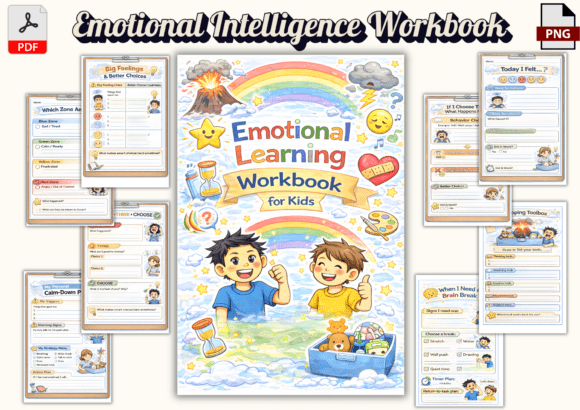
This 16-page social emotional learning (SEL) workbook is designed to help children build emotional confidence, self-control, and positive decision-making skills. It’s not a glossy, one-size-fits-all workbook — it’s a no-prep, printable resource that meets kids where they are emotionally. Let’s walk through what it actually includes, how different adults use it, and what you should consider before adding it to your toolkit.
What the Emotional Learning Workbook Actually Contains
The workbook comes as a high-quality PDF (with individual PNG files included) formatted at 6 x 9 inches — a size that fits neatly into standard workbooks and journals. It’s ready to print and requires no prep, which matters when you’re short on planning time. But more important than the format is what’s inside.
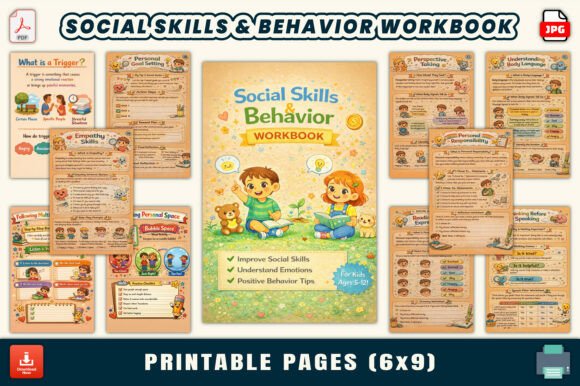
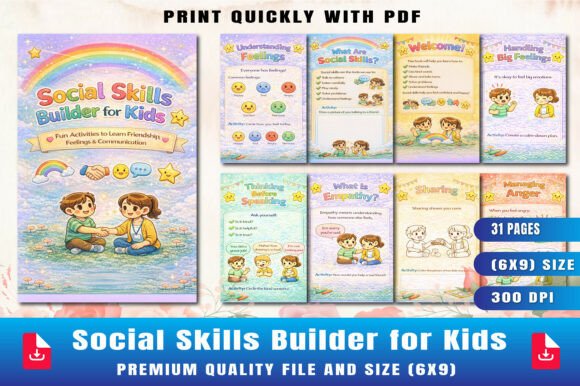
The pages are built around real emotional challenges kids face. You’ll find activities like an Anger Volcano Reflection, a Coping Skills Toolbox, a Problem-Solving Ladder, Stop–Think–Choose Sheets, a Self-Control Scorecard, a Growth Mindset Reframe, a Brain Break Planner, and a Friendship Repair Worksheet. Each one targets a specific skill: identifying big emotions, calming down, communicating clearly, repairing conflicts, making responsible choices, and reflecting before reacting.
These aren’t abstract exercises. Each activity is structured to be visually engaging yet clean — no clutter, no overwhelming design. Kids can focus on the task without getting distracted by too many colors or confusing layouts.
Where and When Adults Use This Workbook
The Emotional Learning Workbook for Kids isn’t limited to one setting. Different adults reach for it in different moments, depending on the child’s needs and the environment. Here are the most realistic scenarios I’ve observed.
In the Classroom During Morning Meeting or SEL Blocks
Teachers often weave SEL into the school day, but it can be hard to find activities that feel concrete rather than vague. A third-grade teacher might pull out the Stop–Think–Choose Sheet during a morning meeting after a playground conflict. The class walks through a real situation together — something simple like “Mia grabbed the ball during recess” — and practices pausing before reacting. Over time, the structured format becomes a shared language. Kids start saying, “I need to stop and think before I choose,” which is exactly the goal.
In Behavior Intervention Plans
School counselors and intervention specialists frequently use the workbook with individual students. A fourth-grader who struggles with impulse control might work through the Self-Control Scorecard once a week. The counselor helps the child set a small goal — like raising a hand before speaking during a 20-minute lesson — and then tracks progress together. The scorecard becomes a concrete record, not a judgment. The child sees their own improvement, which builds motivation over time.
At Home During Afternoon or Evening Routines
Parents and homeschool families often discover the workbook during a challenging afternoon. A fifth-grader who melts down after homework might benefit from the Coping Skills Toolbox activity. The parent and child brainstorm what calms them down: deep breaths, a short walk, listening to music for three minutes. They write it down together. Later, when the child feels frustrated, they can physically point to their toolbox and choose a strategy. It shifts the dynamic from “stop being upset” to “let’s find what works for you.”
In Therapy or Counseling Sessions
Mental health professionals who work with children appreciate the workbook’s clean structure. A therapist might use the Friendship Repair Worksheet after a session where a child talks about a falling-out with a classmate. The page guides the child through naming what happened, how they felt, and what they could say to repair the relationship. It gives the therapist a tangible tool to build on during the next session.
How Different Users Benefit in Different Ways
One workbook can serve many purposes depending on who holds it. Let’s break down how different adults apply it.
Teachers: Saving Time While Building Emotional Vocabulary
Teachers are stretched thin. A no-prep, printable workbook means you can grab it during a planning period, print what you need, and use it the same day. The activities support tier 1 SEL instruction — meaning they work for all students, not just those with identified needs. When a teacher regularly uses the Growth Mindset Reframe, students start catching themselves saying “I can’t do this” and shifting to “I can’t do this yet.” That shift matters academically too, not just emotionally.
School Counselors: Creating Consistent Intervention Tools
Counselors often see students across multiple grade levels and need resources that feel fresh but follow a predictable structure. The Anger Volcano Reflection is a favorite for small groups focused on emotional regulation. The activity helps kids see anger as a buildup rather than an explosion, which reduces shame. When a sixth-grader understands that anger doesn’t make them a bad person, they’re more willing to use coping strategies.
Homeschool Parents: Building Life Skills Into the Day
Homeschool families don’t have a separate “social hour” the way traditional schools do. The Emotional Learning Workbook for Kids fits naturally into morning time or after a difficult moment. A parent might notice their child is struggling with a sibling conflict and pull out the Friendship Repair Worksheet that afternoon. Because the pages are reusable in different ways, the same workbook can last through multiple children and multiple years.
Behavior Intervention Specialists: Measuring Progress Without Pressure
Specialists who work with students on behavior plans need tools that show growth over time. The Self-Control Scorecard and Stop–Think–Choose Sheets are ideal for tracking small but meaningful changes. A student who initially needs help to complete the worksheet might later complete it independently. That’s a measurable outcome that can be shared with parents and included in documentation.
What to Consider Before Using or Buying This Workbook
The Emotional Learning Workbook for Kids is a practical tool, but like any resource, it works best when you understand its fit and limitations.
Age and developmental stage matter. The workbook is designed for grades 3–6, which is typically ages 8 through 12. Some younger third-graders may still need help reading the prompts, while older sixth-graders might prefer more independence. If you’re using it with a younger child, plan to read the instructions together. If you’re using it with an older child, let them work at their own pace and check in afterward.
Consistency is more important than perfection. One worksheet won’t transform a child’s emotional skills. But using the workbook regularly — even just one page per week — builds familiarity and trust. The child starts to internalize the language of stop, think, and choose. The real benefit comes from repetition, not novelty.
Pair it with conversation, not just worksheets. The best SEL work happens when an adult or peer talks through the activity with the child. If a student completes the Problem-Solving Ladder by themselves without any discussion, they might miss the deeper reflection. Use the pages as conversation starters, not busywork. Ask questions like, “What did you notice when you filled that out?” or “Would you do anything differently next time?”
Consider the child’s emotional state when you introduce it. Don’t hand a child the Anger Volcano Reflection while they’re in the middle of a meltdown. It won’t work. Instead, use it during a calm moment, maybe at the end of the day or during a scheduled SEL time. The goal is to build skills for the next tough moment, not to manage the current one.
Printed vs. digital use. The workbook is designed to print, but some users prefer to use it on a tablet or computer with a PDF annotation tool. Both work, but the 6 x 9 size is especially nice for printed journals. If you’re printing, consider using a stapler, binder clip, or three-hole punch so pages stay organized over time.
Real Outcomes You Can Expect
When used consistently, the Emotional Learning Workbook for Kids helps children develop several key abilities. They learn to identify emotions beyond just “mad” or “sad.” They build a mental list of coping strategies they can use independently. They practice pausing before reacting, which reduces impulsive outbursts. They learn to apologize and repair friendships in a concrete way. And they begin to adopt a growth mindset — the belief that their abilities and emotions can improve with effort.
These aren’t overnight changes. But after a few weeks, a teacher might notice a student taking a deep breath instead of yelling. A parent might see a child choosing a brain break before homework gets frustrating. A counselor might hear a student say, “I used my coping toolbox today.” Those small wins add up.
If you’re looking for a resource that supports emotional confidence, self-control, and positive decision-making in a practical, low-prep format, this workbook is worth a close look. It’s built for real classrooms, real homes, and real kids — not for perfection, but for progress.