30-Minute Meals: Practical Cooking for Busy Lives
If you have ever stood in front of an open fridge after a long day, wondering how to get dinner on the table without spending an hour chopping and stirring, you are not alone. The promise of a meal that comes together quickly appeals to almost everyone, but not all quick-cooking resources deliver on that promise. 30-Minute Meals is a recipe e-book built around exactly that need: real food, real fast, and without the stress. Understanding what it offers, and what it does not, can save you time, money, and frustration.
What 30-Minute Meals Actually Is
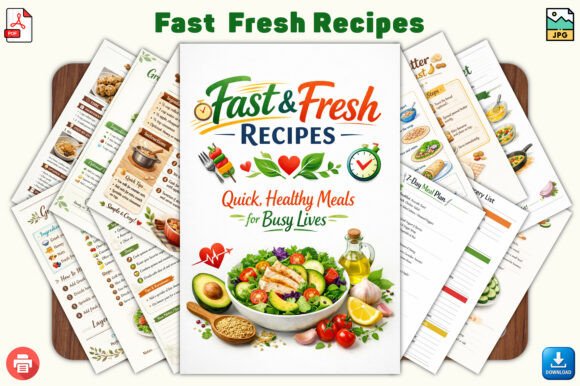
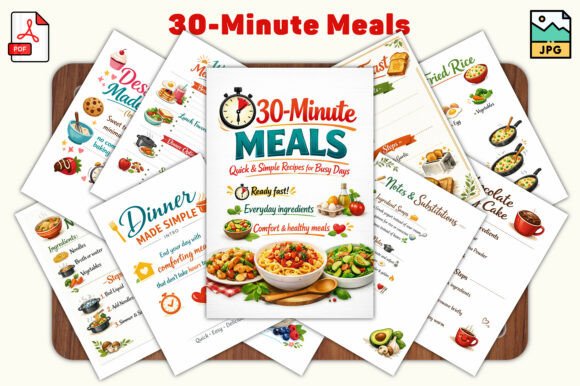
At its core, this is a 30-page guide designed for people who want practical, everyday recipes that take half an hour or less from start to finish. It covers breakfast, lunch, dinner, snacks, and desserts. The recipes use ingredients you likely already have in your pantry, and the instructions are written with beginners in mind. The layout is clean and minimal, which makes it easy to follow whether you are reading on a tablet or holding a printed page.
What it is not is a collection of gourmet dishes or complicated culinary projects. If you are looking for something that requires specialty equipment or hard-to-find spices, this is not that book. It is intentionally simple, and that simplicity is its strength.
Common Mistakes People Make with Quick-Cooking Resources
Many people pick up a quick-meal guide and immediately assume they can skip reading the details. That is usually the first mistake. Another common error is expecting every recipe to work perfectly on the first try without any adjustment for personal taste or available ingredients. A more subtle mistake is treating the book as a strict set of rules rather than a flexible framework.
Mistake 1: Skipping the Ingredient Check
One of the most frequent oversights is not checking whether you actually have the ingredients before you start cooking. Even simple recipes call for a few basics. If you open the book, pick a recipe, and realize halfway through that you are out of olive oil or eggs, the time you thought you were saving disappears quickly.
Better approach: Spend two minutes scanning the ingredient list before you begin. If something is missing, note it and either substitute or choose a different recipe. Many of the recipes in 30-Minute Meals use flexible ingredients, so substitutions are often possible. But you need to know what you have first.
Mistake 2: Overlooking the Prep Notes
Quick recipes often rely on smart prep work. Chopping vegetables, measuring spices, or preheating the pan before you start can make the difference between a 20-minute meal and a 40-minute scramble. Some readers skip the prep notes because they want to jump straight into cooking. That usually backfires.
Better approach: Read the entire recipe once before you touch a knife. That small habit helps you understand the flow and avoid surprises. You will also notice which steps can be done while something else is cooking, which is where the real time savings happen.
Misunderstandings About Efficiency and Quality
A persistent belief in the cooking world is that fast meals are inherently lower quality. People worry that a 30-minute recipe means canned soup on toast or processed shortcuts. That misunderstanding can keep someone from trying a genuinely useful resource.
30-Minute Meals focuses on whole ingredients and straightforward techniques. You are not getting frozen dinners or microwave hacks. You are getting recipes like one-pot pasta, sheet pan vegetables with protein, and simple stir-fries that use fresh produce and pantry staples. The quality comes from good technique, not from spending hours in the kitchen.
Another misunderstanding is that beginner-friendly means boring. In reality, simple recipes can be the most satisfying because they let the ingredients speak for themselves. A well-seasoned chicken breast with a quick pan sauce and a side of roasted vegetables can be just as enjoyable as a dish that took two hours, especially on a Tuesday night.
What to Check Before You Buy or Download
Before you invest in any recipe collection, it pays to look at a few practical details. These checks will help you decide whether this particular book fits your lifestyle.
Check the Format and Compatibility
The e-book comes in PDF and high-resolution JPG formats. That means you can view it on almost any device, print it, or even add it to a digital planner. If you prefer cooking from a tablet, the clean layout works well on screens. If you like having a physical copy in the kitchen, the 6 × 9 inch page size prints nicely and fits on a standard countertop. Check that your device or printer supports these formats, though almost everything does.
Check the Number of Recipes
With 30 pages, you are getting a focused collection rather than an encyclopedia. That is intentional. The goal is to give you a manageable set of reliable recipes that cover all meal types without overwhelming you. If you are someone who likes having dozens of options, this may feel limited. If you prefer a curated selection that you can actually use, this is likely a good fit.
Check the Ingredient Familiarity
Look at the sample pages if available. Most recipes in this book use ingredients like pasta, rice, chicken, eggs, canned tomatoes, beans, common vegetables, and basic spices. If you are comfortable cooking with pantry staples, you will feel at home. If your diet relies on very specific or unusual ingredients, you may need to check whether the recipes align with what you have on hand.
How to Get the Most Out of 30-Minute Meals
Once you have the book, a few simple habits will help you use it effectively.
- Read a few recipes in advance. Spend ten minutes on a Sunday looking at the week ahead. Pick two or three recipes that share ingredients so you can use up what you buy.
- Keep a substitution list. If a recipe calls for spinach and you only have kale, note that it works. Over time you will build confidence in swapping ingredients based on what you have.
- Use the one-pot and minimal-prep recipes first. These are the easiest to execute and tend to build confidence quickly. Once you have a few wins, move on to the slightly more involved options.
- Print or save the pages you use most. If you find a breakfast recipe that becomes a staple, keep it handy. The file formats allow you to print individual pages or save them to a favorites folder.
Practical Advice for Busy Cooks
The real value of a resource like this is not just the recipes themselves. It is the mindset shift that comes with realizing you do not need to spend hours in the kitchen to eat well. Here are some practical corrections to common thinking patterns.
Stop Trying to Cook Like a Professional
Professional chefs have hours of prep time, multiple assistants, and industrial equipment. You have a stove, a cutting board, and a limited window of time. That is fine. 30-Minute Meals is written for the home cook who wants food that tastes good without the production value. Accept that a simple meal made with care is better than a complicated meal that stresses you out.
Stop Waiting for the Perfect Time
Many people put off cooking because they think they need a clear schedule. The truth is that the perfect time rarely arrives. If you have 30 minutes, you have enough time to make a real meal. The recipes in this book are designed to fit into your actual day, not some idealized version of it.
Stop Assuming You Need New Equipment
One of the best features of this collection is that it requires no fancy tools. No stand mixer, no immersion blender, no specialty pans. A basic set of pots, a skillet, a sheet pan, and a good knife are enough. If you have been avoiding cooking because you think you need to buy a lot of gear, let this be the resource that proves you wrong.
Who Benefits Most from This Resource
Different people will use this book in different ways, but some groups tend to get more value than others.
- Busy parents who need reliable meals that children will actually eat. The simple flavors and familiar ingredients work well for family dinners.
- Students and young adults who are still building their cooking skills. The beginner-friendly instructions provide a solid foundation without assuming prior knowledge.
- Meal planners who want a small, reliable rotation of recipes they can count on. The focused collection makes planning easier than a massive database.
- Freelancers and remote workers who need quick lunches between calls or meetings. The breakfast and lunch recipes are especially useful for this group.
- Digital planner users who like integrating recipes into their organizational systems. The JPG files work well for adding to digital notebooks or planners.
Why Simplicity Matters More Than You Think
There is a reason that minimal, clean layouts and straightforward instructions tend to outperform flashy alternatives. When you are tired, hungry, and short on time, you do not want to decode a complicated layout or interpret vague directions. You want clarity. 30-Minute Meals delivers that clarity through its design and its content. Every recipe exists to solve a specific problem: feeding yourself or your family without drama.
That clarity extends to the ingredient lists as well. You will not see items that require a trip to three different stores. You will see things like diced tomatoes, garlic, onion, chicken breast, pasta, and cheese. These are the building blocks of a thousand meals, and this book shows you how to combine them efficiently.
A Final Word on Getting Started
If you are considering this e-book, the best thing you can do is approach it with an open mind and a practical attitude. Do not expect every recipe to become a favorite, and do not be afraid to tweak things to suit your taste. The book is a tool, not a rulebook. Use it as a starting point for building your own quick-cooking repertoire.
Start with the recipes that look most appealing and most doable. Cook them once as written, then adjust. Over time, you will internalize the techniques and timing, and you will find yourself putting together 30-minute meals without even opening the book. That is the real goal: not just to follow recipes, but to build confidence and skill that lasts.